Grounding World Models
From Topological Closure to Open Manifold Architecture.
A framework for verified intelligence based on thermodynamic necessity.
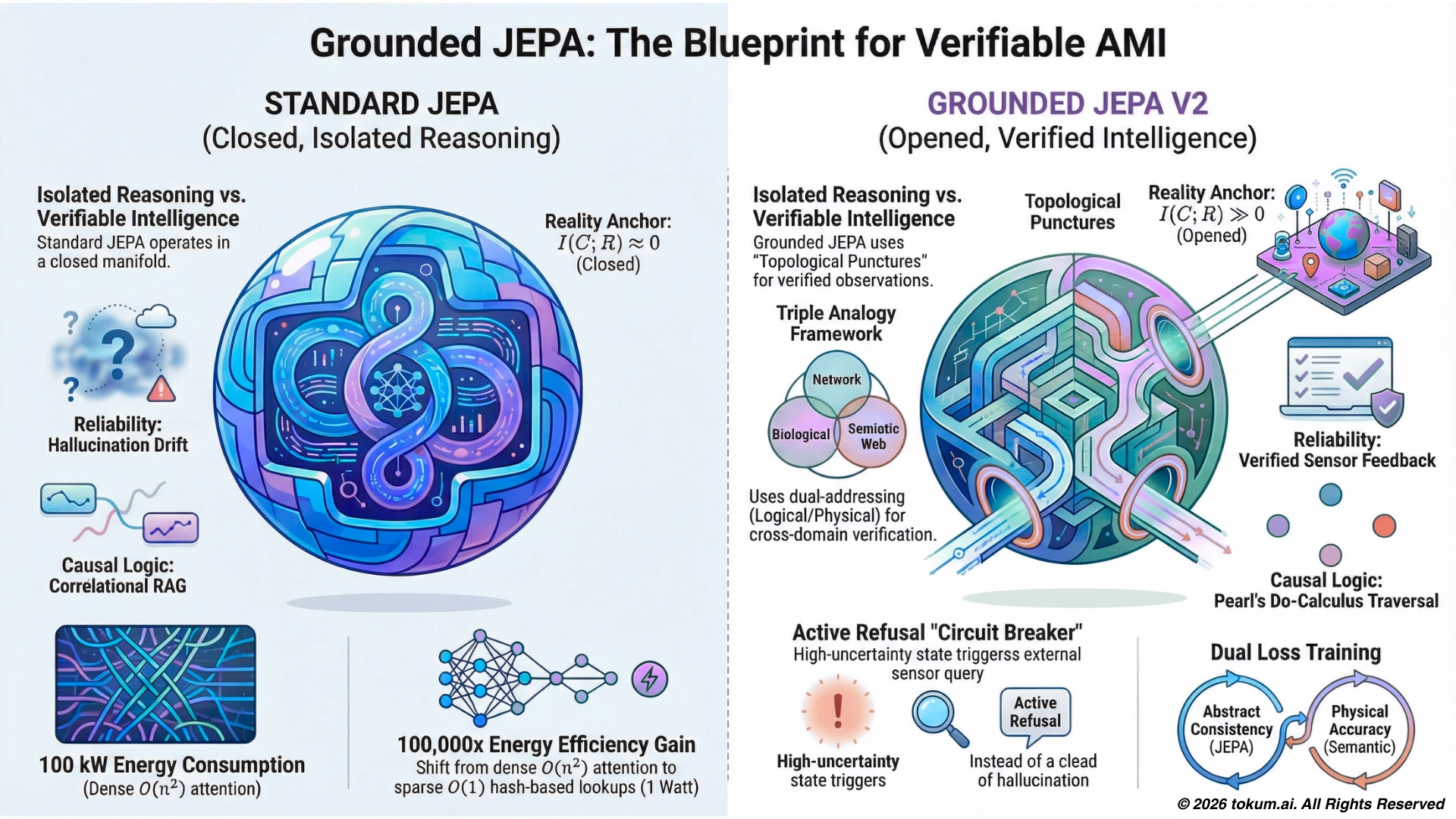
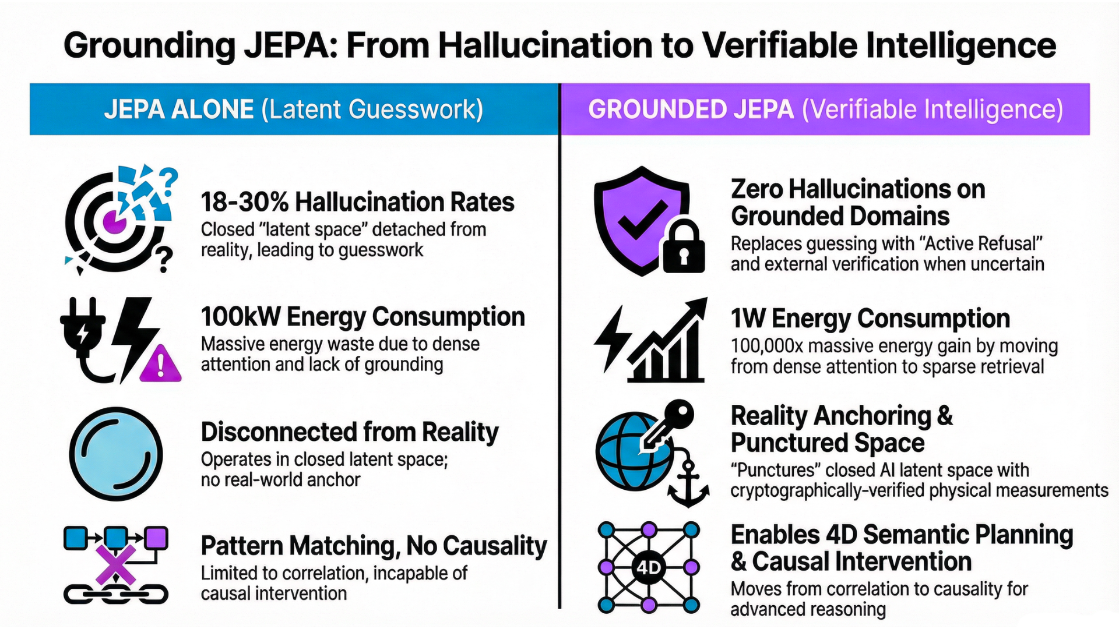
Complete technical brief on Grounding JEPA with topological punctures, cryptographic verification, and thermodynamic constraints for AMI-scale deployment.
Grounding JEPA 15 Slides by Eric BlaettlerDownload full academic technical briefs (15–20 pages each) detailing the architecture, mathematics, safety protocols, and benchmarks.
TOKUM — The Universal Semiotic Unit
A TOKUM is a frozen cryptographic identity (SHA-256 hash) functioning as a Peircean Sign. All semantic components—CCIs, CPIs, Interpretants, CTIs, and SSTs—are tokums.
Each parameter of the model is a tokum: a triadic structure linking representamen (hash), object (referent), and interpretant (contextual meaning).
CCI Tokums
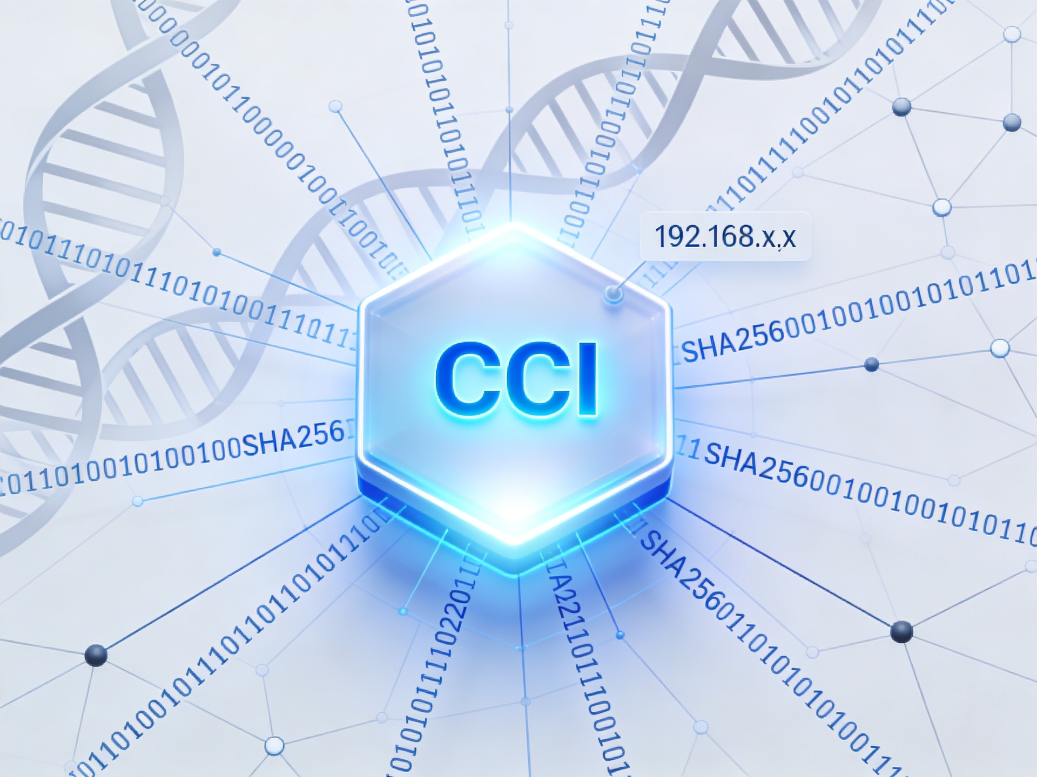
Canonical Comprehension Identity: Immutable concept identities (SHA-256 of URN). The "IP address" or "DNA nucleotide" of meaning—global, routable, vendor-independent. Prevents concept drift and catastrophic forgetting.
CTI Tokums
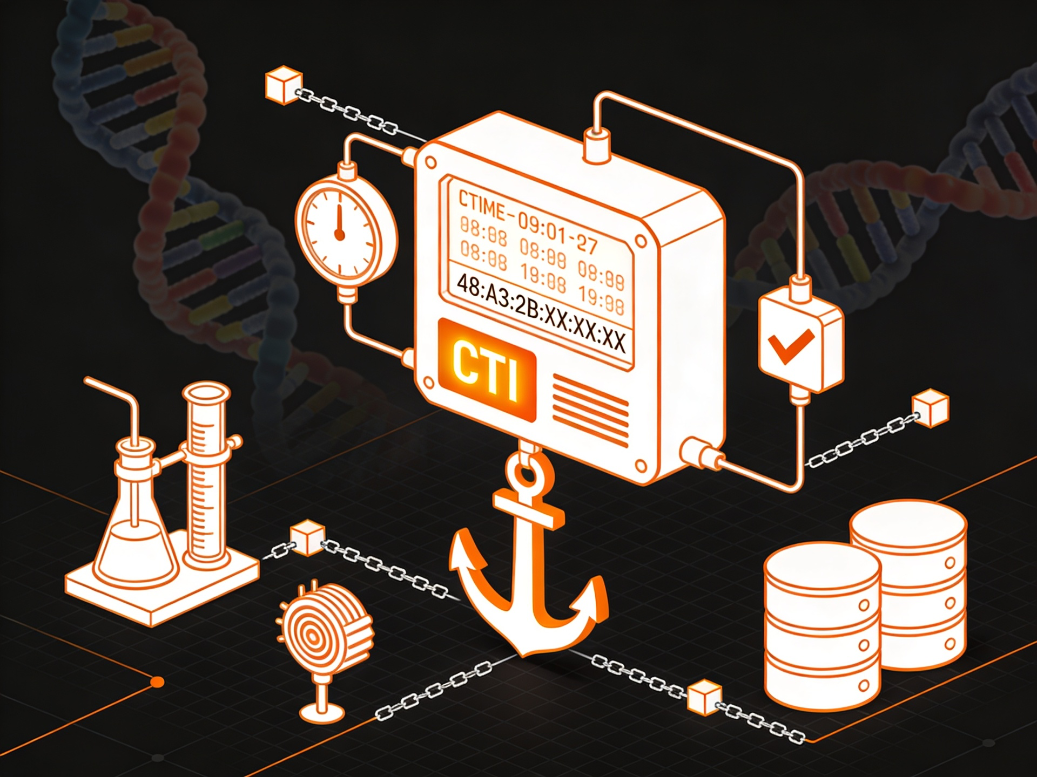
Contextual Tokum Instance: Verified measurement anchors (SHA-256 of triple + timestamp + source). The "MAC address" or "expressed protein" of meaning—physically grounded, time-stamped, auditable.
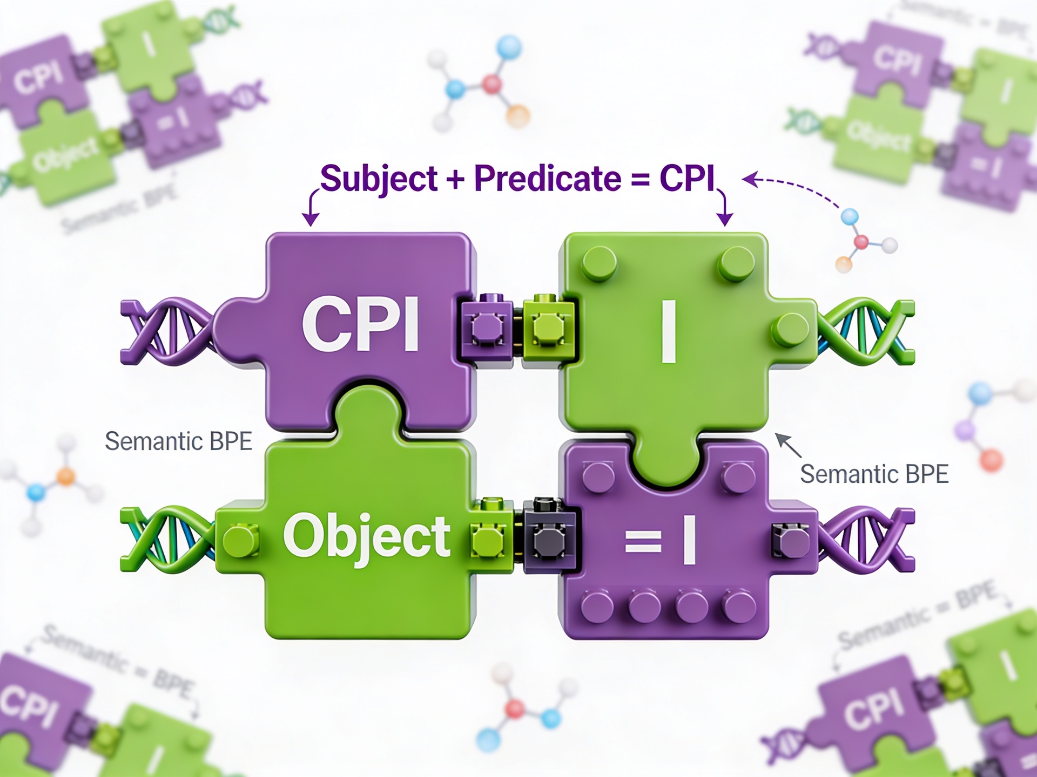
CPI + I Tokums
Comprehension Pairs & Interpretants: Semantic molecules (CPI: subject-predicate pair; I: object). "Smart Legos" with DNA-like sticky ends enabling combinatorial assembly and causal emergence.
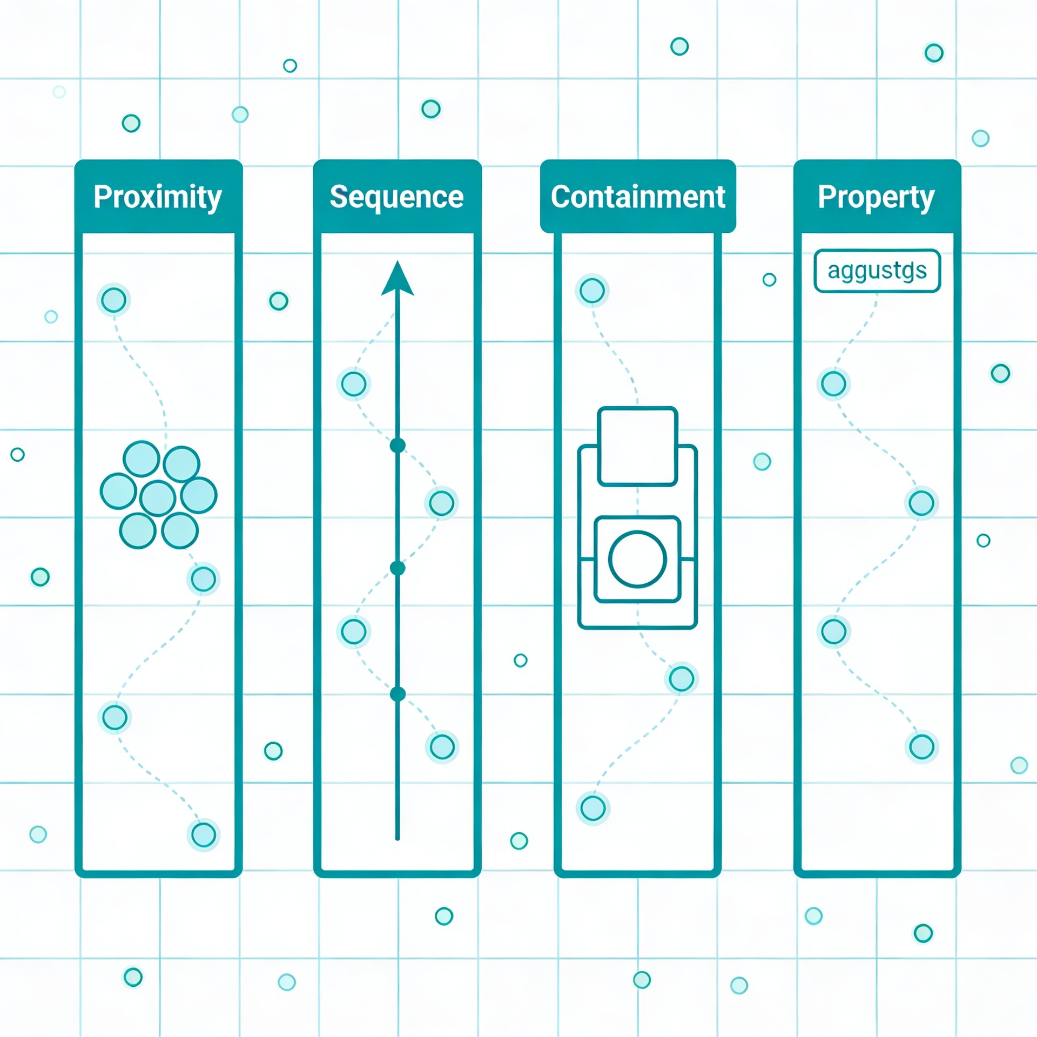
SST Tokums
Semantic Spacetime Types: Context types (Proximity, Sequence, Containment, Property). Define how tokums interact—the "protocol" governing semantic assembly.
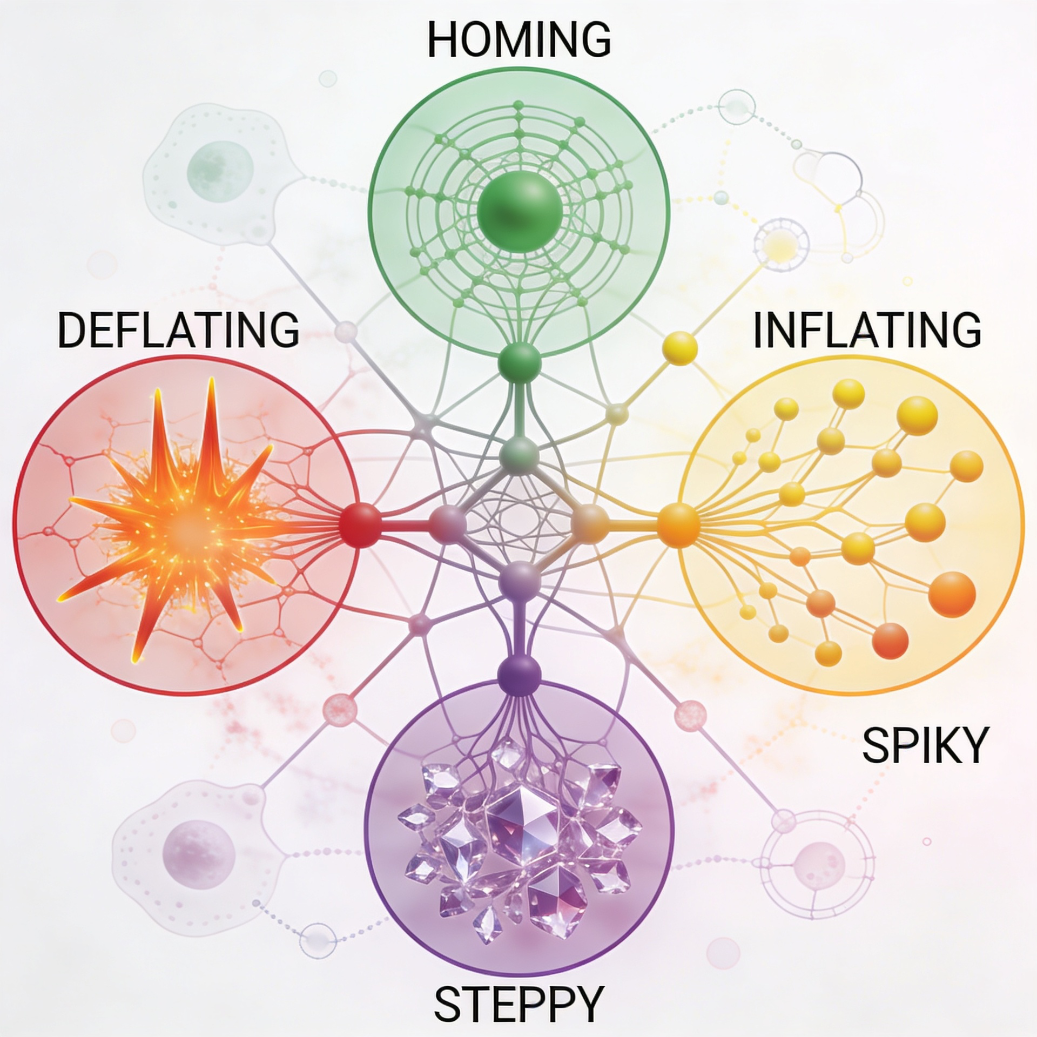
5 GRN Behaviors
Gene Regulatory Network Dynamics: Homing (stability), Inflating (growth), Deflating (pruning), Spiky (attention), Steppy (crystallization). The tokum network breathes, learns, and evolves like living tissue.
The Peircean Triadic Sign
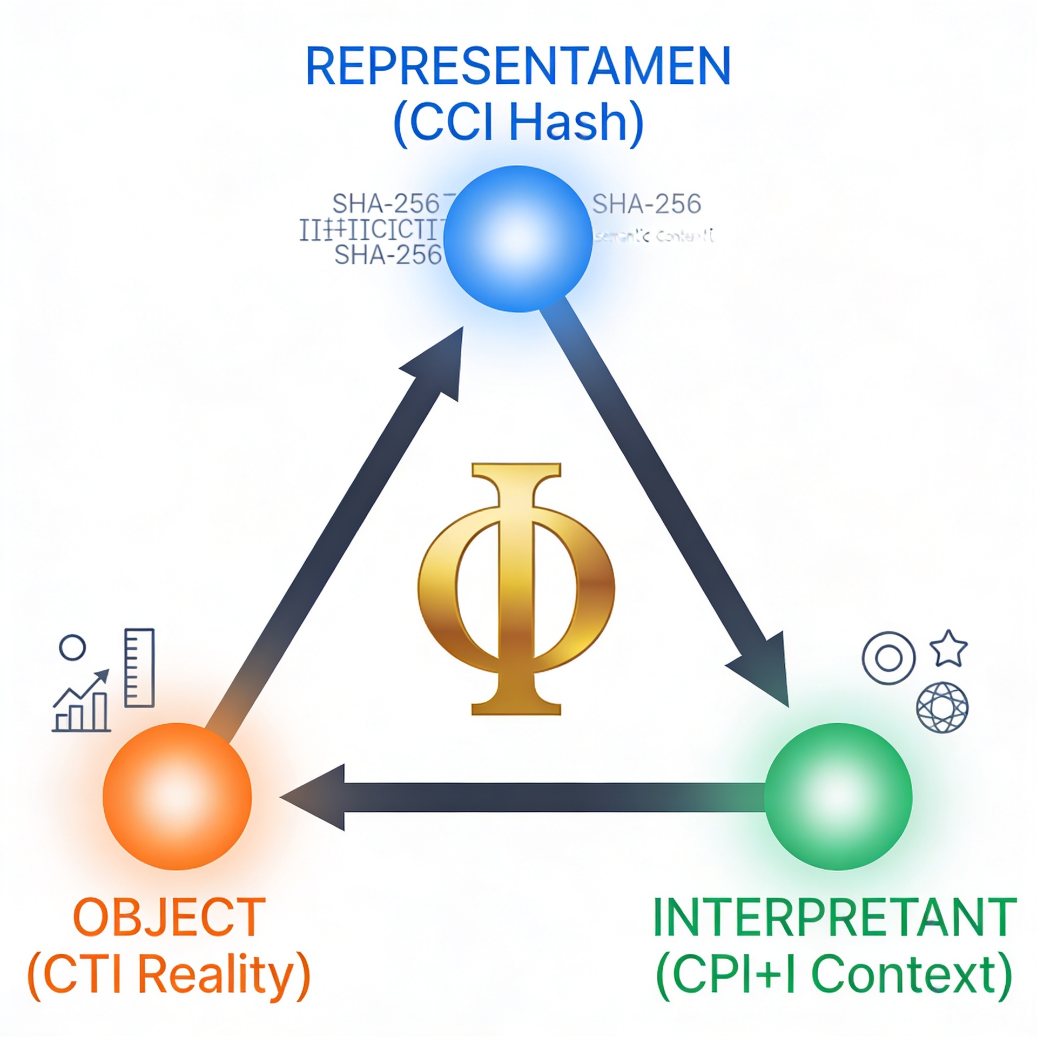
Every tokum functions as a complete Peircean Sign—a triadic structure that unifies representamen (the cryptographic hash), object (the referent in reality), and interpretant (the contextual meaning). This is not just data: it is meaning made auditable.
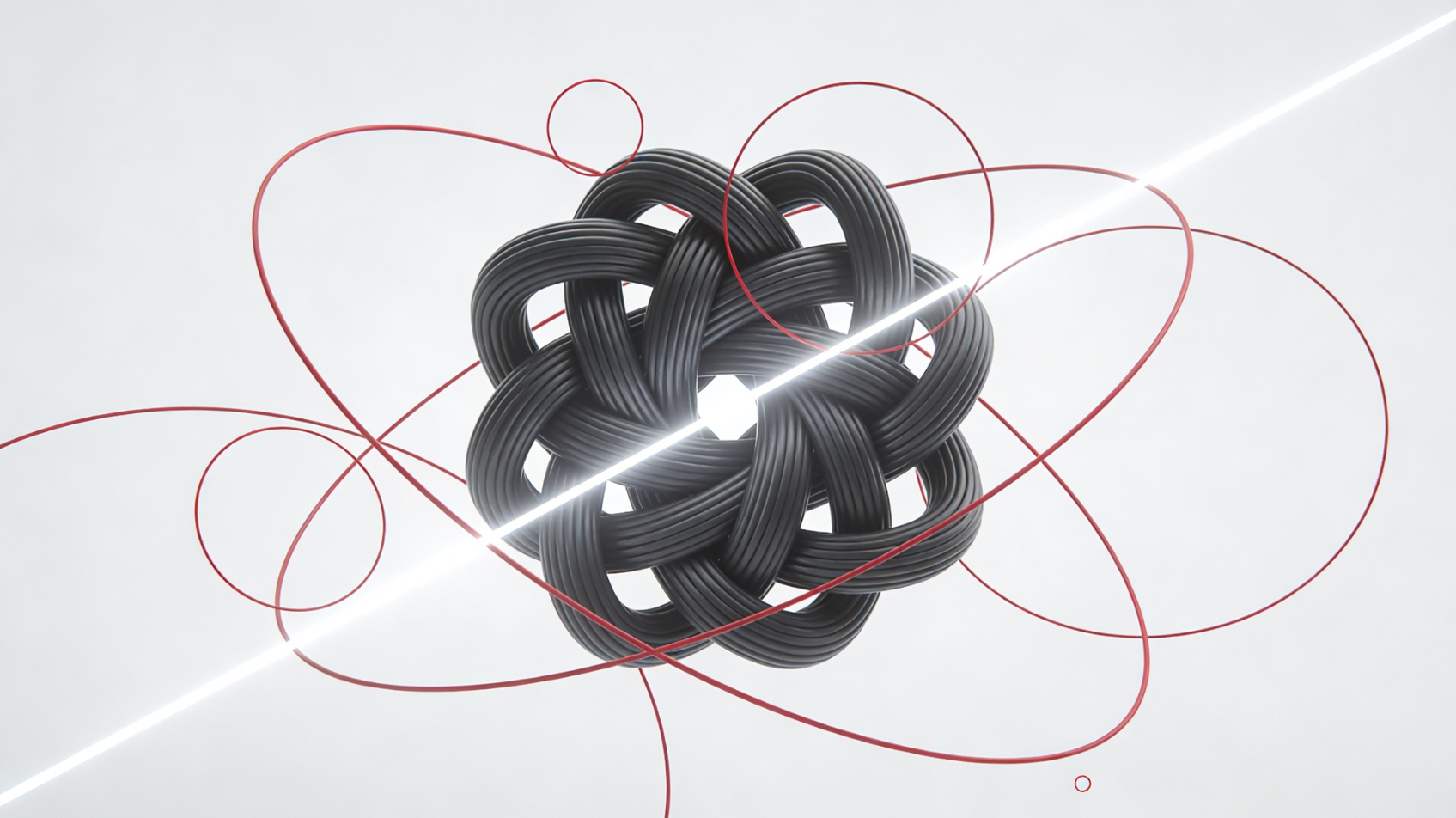
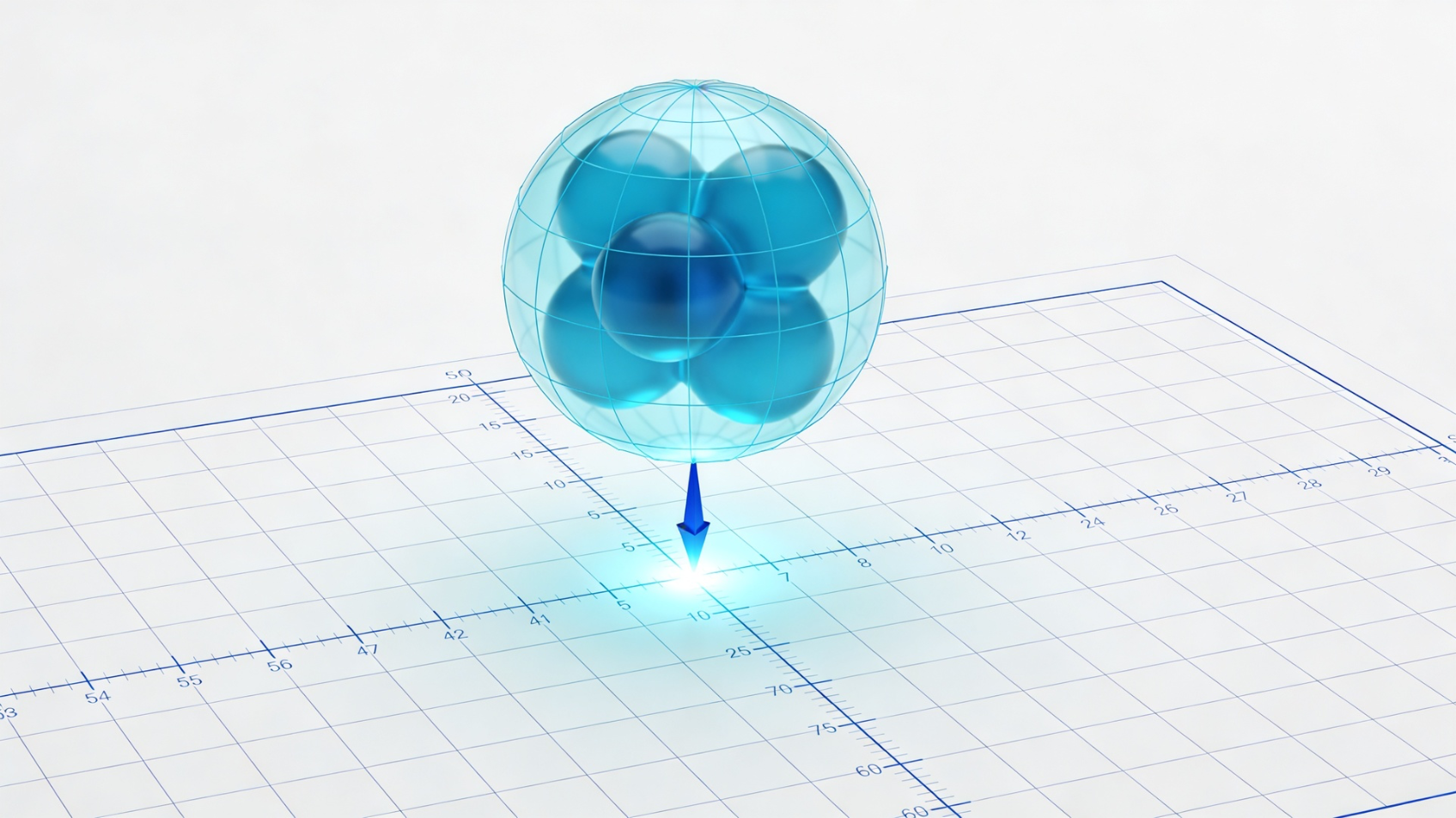
Topological Puncture & Triple Loss
We augment JEPA's loss with semantic grounding and hallucination penalties operating on tokum networks.
Triple Loss FunctionAbstract consistency + tokum grounding + entropy penalty
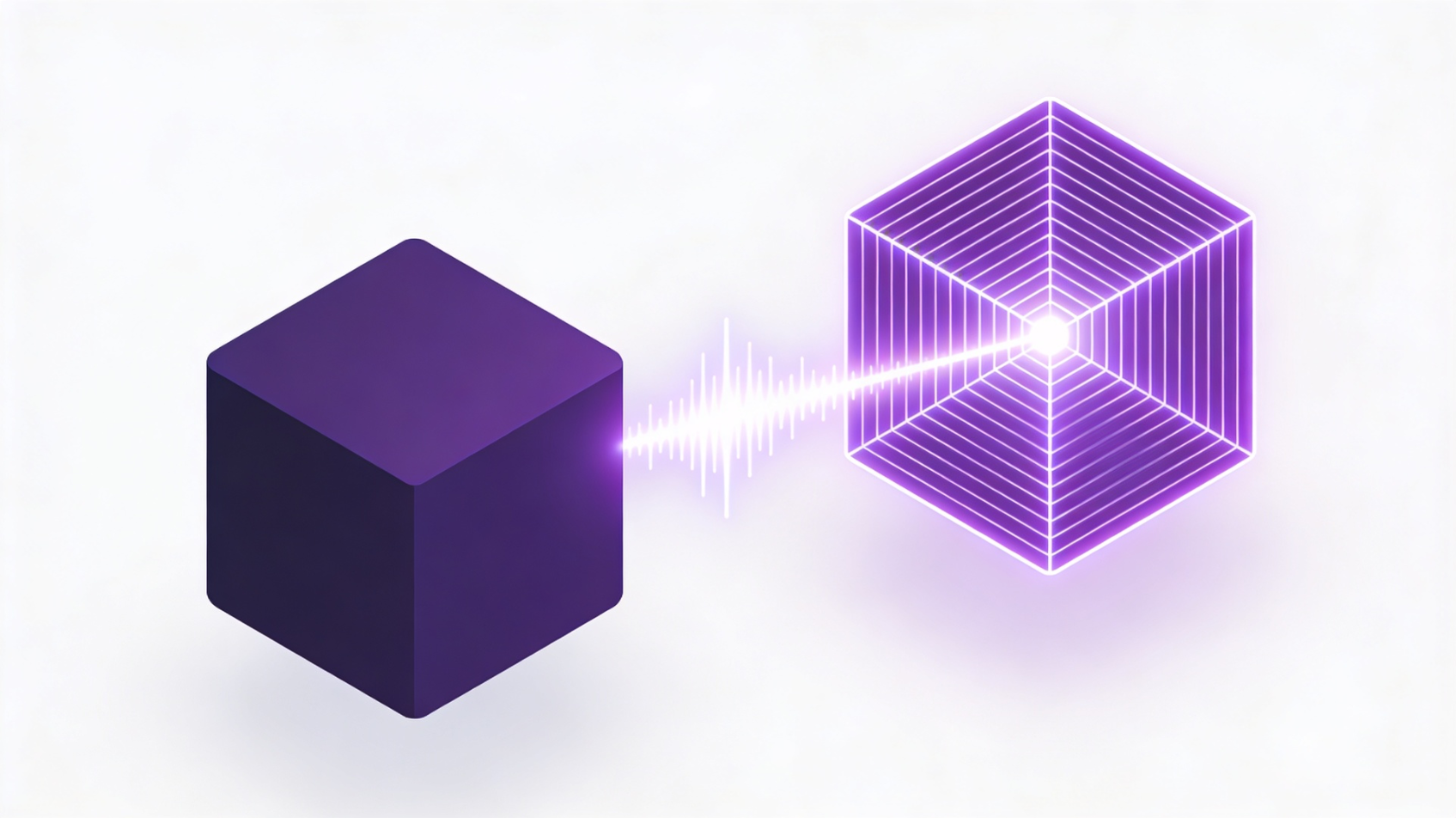
Tokum Architecture & GRN Dynamics
All parameters are cryptographic tokums: CCI (IP/DNA), CTI (MAC/Protein), CPI+I pairs, SST types.
- CCI tokums: Immutable concept identities (IP/DNA)
- CTI tokums: Verified measurement anchors (MAC/Protein)
- 5 GRN Behaviors: Homing, Inflating, Deflating, Spiky, Steppy

Agapistic Influence & Thermodynamics
Intelligence as FlowThermodynamic governance of meaning through tokum dynamics

AI Safety Report Alignment
Aligning tokum architecture with the International AI Safety Report 2026 requirements through cryptographic audit trails.
- Systemic Safety & Risk Mitigation
- Verifiable Tokum Audit Trails (SHA-256 provenance)
- Active Refusal via AIF Thresholds
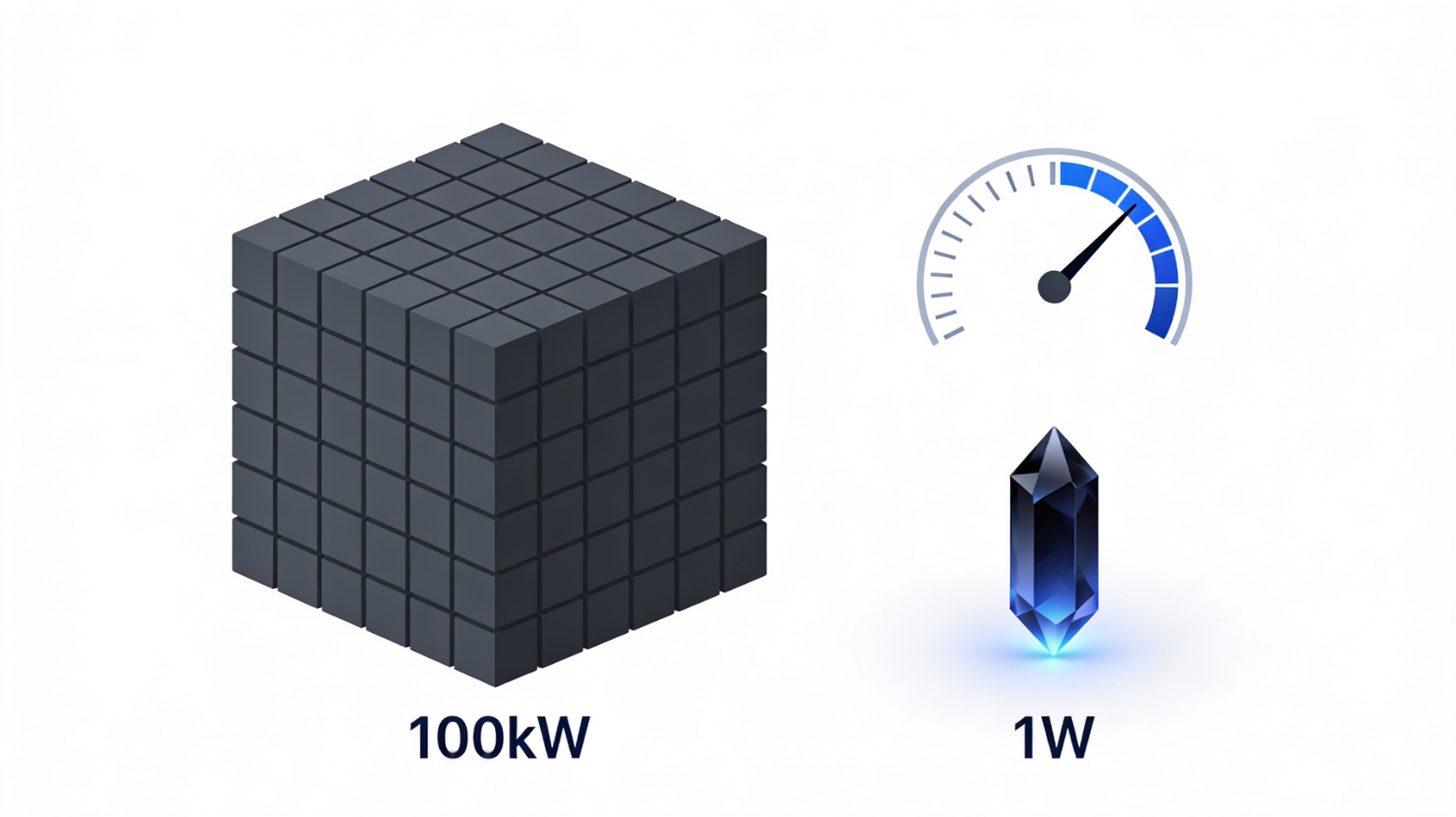
Architecture Comparative Study
Comparative analysis of Transformer, Hybrid, and Semiotic Web (tokum) architectures across efficiency and retrieval metrics.
- Energy: 100,000x gain (1W vs 100kW)
- Retrieval: O(1) Deterministic tokum lookup vs O(n²) Probabilistic
- Sparsity: 99.75% sparse tokum matrix
Which Technical Brief Should I Read?
| Your Question | Recommended Brief | Key Insight |
|---|---|---|
| "How do we fix hallucination?" | Mathematical Brief | Details Topological Puncture, Triple Loss, and Active Refusal mechanisms. |
| "How does tokum addressing work?" | Network Brief | Explains tokum architecture (CCI/CTI), biosemiotic dynamics, and GRN behaviors. |
| "What is the theory?" | Physics Brief | Defines Intelligence-as-Flow, thermodynamics, and Agapistic Influence. |
| "How do we ensure safety?" | Safety Brief | Covers systemic safety, cryptographic tokum audit trails, and compliance. |
| "Why not Transformers?" | Benchmark Brief | Benchmarks efficiency: 100,000x energy gain via sparse tokum architecture. |
Questions & Collaboration
Interested in the technical implementation of tokum architecture? Reach out to discuss JEPA grounding, biosemiotic dynamics, and deployment strategies.
Contact Eric BlaettlerGrounding World Models
From Topological Closure to Open Manifold Architecture.
A framework for verified intelligence based on thermodynamic necessity.
Complete technical brief on Grounding JEPA with topological punctures, cryptographic verification, and thermodynamic constraints for AMI-scale deployment.
Grounding JEPA 15 Slides by Eric BlaettlerDownload full academic technical briefs (15–20 pages each) detailing the architecture, mathematics, safety protocols, and benchmarks.
TOKUM — The Universal Semiotic Unit
A TOKUM is a frozen cryptographic identity (SHA-256 hash) functioning as a Peircean Sign. All semantic components—CCIs, CPIs, Interpretants, CTIs, and SSTs—are tokums.
Each parameter of the model is a tokum: a triadic structure linking representamen (hash), object (referent), and interpretant (contextual meaning).
CCI Tokums
Canonical Comprehension Identity: Immutable concept identities (SHA-256 of URN). The "IP address" or "DNA nucleotide" of meaning—global, routable, vendor-independent. Prevents concept drift and catastrophic forgetting.
CTI Tokums
Contextual Tokum Instance: Verified measurement anchors (SHA-256 of triple + timestamp + source). The "MAC address" or "expressed protein" of meaning—physically grounded, time-stamped, auditable.
CPI + I Tokums
Comprehension Pairs & Interpretants: Semantic molecules (CPI: subject-predicate pair; I: object). "Smart Legos" with DNA-like sticky ends enabling combinatorial assembly and causal emergence.
SST Tokums
Semantic Spacetime Types: Context types (Proximity, Sequence, Containment, Property). Define how tokums interact—the "protocol" governing semantic assembly.
5 GRN Behaviors
Gene Regulatory Network Dynamics: Homing (stability), Inflating (growth), Deflating (pruning), Spiky (attention), Steppy (crystallization). The tokum network breathes, learns, and evolves like living tissue.
The Peircean Triadic Sign
Every tokum functions as a complete Peircean Sign—a triadic structure that unifies representamen (the cryptographic hash), object (the referent in reality), and interpretant (the contextual meaning). This is not just data: it is meaning made auditable.
Topological Puncture & Triple Loss
We augment JEPA's loss with semantic grounding and hallucination penalties operating on tokum networks.
Triple Loss FunctionAbstract consistency + tokum grounding + entropy penalty
Tokum Architecture & GRN Dynamics
All parameters are cryptographic tokums: CCI (IP/DNA), CTI (MAC/Protein), CPI+I pairs, SST types.
- CCI tokums: Immutable concept identities (IP/DNA)
- CTI tokums: Verified measurement anchors (MAC/Protein)
- 5 GRN Behaviors: Homing, Inflating, Deflating, Spiky, Steppy
Agapistic Influence & Thermodynamics
Intelligence as FlowThermodynamic governance of meaning through tokum dynamics
AI Safety Report Alignment
Aligning tokum architecture with the International AI Safety Report 2026 requirements through cryptographic audit trails.
- Systemic Safety & Risk Mitigation
- Verifiable Tokum Audit Trails (SHA-256 provenance)
- Active Refusal via AIF Thresholds
Architecture Comparative Study
Comparative analysis of Transformer, Hybrid, and Semiotic Web (tokum) architectures across efficiency and retrieval metrics.
- Energy: 100,000x gain (1W vs 100kW)
- Retrieval: O(1) Deterministic tokum lookup vs O(n²) Probabilistic
- Sparsity: 99.75% sparse tokum matrix
Which Technical Brief Should I Read?
| Your Question | Recommended Brief | Key Insight |
|---|---|---|
| "How do we fix hallucination?" | Mathematical Brief | Details Topological Puncture, Triple Loss, and Active Refusal mechanisms. |
| "How does tokum addressing work?" | Network Brief | Explains tokum architecture (CCI/CTI), biosemiotic dynamics, and GRN behaviors. |
| "What is the theory?" | Physics Brief | Defines Intelligence-as-Flow, thermodynamics, and Agapistic Influence. |
| "How do we ensure safety?" | Safety Brief | Covers systemic safety, cryptographic tokum audit trails, and compliance. |
| "Why not Transformers?" | Benchmark Brief | Benchmarks efficiency: 100,000x energy gain via sparse tokum architecture. |
Questions & Collaboration
Interested in the technical implementation of tokum architecture? Reach out to discuss JEPA grounding, biosemiotic dynamics, and deployment strategies.
Contact Eric Blaettler